
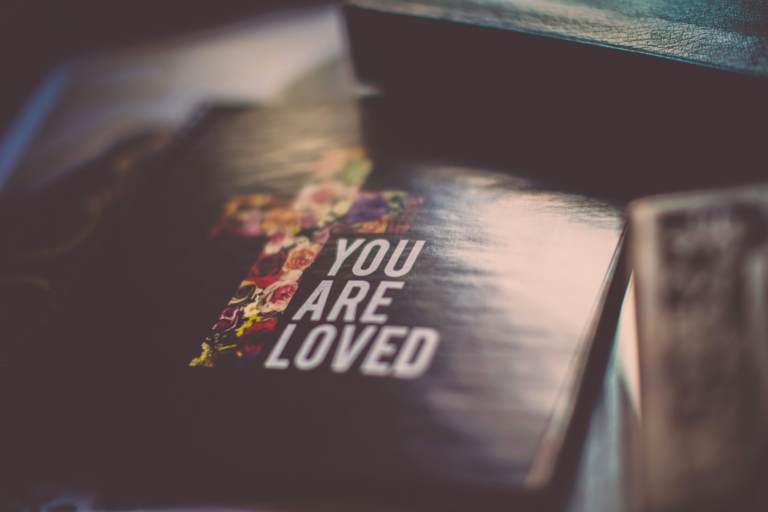
Prayer is most commonly understood as verbal communication – spoken or written words directed toward God. This is the dominant form of prayer in most Christian traditions, and it is both important and rich. But limiting prayer to verbal communication may mean overlooking some of the other ways in which human beings naturally express what is deepest in them.
Prayer as expression, not only petition
At its core, prayer is the turning of the whole self toward God – in acknowledgment, in trust, in need, in gratitude. Words are one form this turning can take, but they are not the only one. When the psalmists wrote poetry, when the medieval craftspeople built cathedrals, when Handel composed music that moved him to tears – these were not activities that happened alongside prayer. For those doing them, they were acts of prayer.
Creative expression can be a form of prayer when it is offered with the orientation of prayer – with honesty, with intention, with a turning toward God rather than simply a turning toward an output.
What makes creativity prayerful
The difference between creative expression as prayer and creative expression as craft or hobby is not always about the content. It is more about the orientation. A painting of a landscape is simply a painting. The same painting, made with an awareness of the Creator behind the created world, with a sense of offering something back in response – that is also a prayer.
The shift is interior. It is the difference between making something for its own sake and making something as an act of communication with God. That communication can be explicit or it can be implicit – simply the awareness that this act is happening before Him, offered to Him, because of Him.
Creativity as access to the inarticulate
One of the most valuable functions of creative prayer is its ability to reach what words cannot. There are interior states – grief, awe, confusion, longing – that resist verbal expression. They are too complex, too textured, too layered for sentences to fully contain. Creative expression can sometimes reach these places and give them form in a way that purely verbal prayer cannot.
This is partly why music affects people during worship in ways that spoken prayer sometimes does not. The creative form carries something that the words alone would leave behind. Creative prayer of any kind can do the same work – reaching the depths that need reaching, offering to God what is too full for ordinary language.
An open invitation
You do not need to be a professional artist, musician, or writer to engage in creative prayer. You need only the willingness to make something – in any medium – with the orientation of turning toward God. A sketch. A piece of music played privately. A letter written without sending. Any of these, offered honestly, can be a genuine form of prayer.
If this kind of expression appeals to you, consider simply trying it – without the pressure of quality or outcome. See where it takes you.